LUKENI
The experience has sound

In 1967, a woman named Anastasia Georgiou packed a single suitcase. Inside: two dresses, a worn photograph of her parents in their village in Arcadia, and the name of a cousin already settled in Melbourne. She was twenty four years old. She never returned to live in Greece.

What she brought with her was not just luggage but an entire architecture of memory. Names, relationships, stories, the particular cadence of a village Greek dialect that marked her as being from somewhere specific. That architecture lived, for a generation, in her kitchen, her prayers, and her Sunday phone calls home.

When Anastasia died in 2019, most of what she carried died with her.

«Ο νεκρός που τον ξεχνούν, πεθαίνει δεύτερη φορά.»

The dead who are forgotten die a second time. Greek proverb

This is an experience of what happens to memory across the generations of diaspora. Of what is carried, what is lost, and what it might mean to preserve it differently.

Chapter One

The Departure

Melbourne, 1967  ·  Chicago, 1971  ·  Stuttgart, 1969

[ photograph · emigrants boarding at Piraeus port, c. 1965 to 1970 ]

Between 1945 and 1980, more than a million Greeks emigrated. They went to Melbourne and Sydney, to Chicago and New York, to Stuttgart and Düsseldorf, to Johannesburg, to Toronto, to Montreal. The reasons differed: poverty, the military dictatorship of 1967, the Cyprus catastrophe of 1974. The experience was nearly the same: one life packed into a suitcase, a new one to build in a language not yet spoken.

They believed, almost universally, that the departure was temporary. Five years of work, money sent home, and then the return. The temporary became permanent in the way that only large historical forces make things permanent: slowly, then all at once.

"We were going to come back. Always, we were going to come back."

Second generation Greek Australian, Melbourne

They wrote letters. They sent remittances. They named children after the parents left behind and after the villages no longer lived in. They built churches, clubs, and community newspapers in their new cities, an attempt to recreate the world they had left, in a place that would never quite be Greece.

What they rarely did, what there was no language or infrastructure for, was document.

Chapter Two

What Was Carried

A language. A faith. A way of setting a table.

There is a drawer, or a box, or a shelf, in almost every diaspora home. Inside it: photographs. Most are unlabelled. They show people dressed formally, at a wedding, a baptism, a village feast day, in places that may or may not still exist as they once were. They are sepia, or overexposed, or cut at the edges by someone's careless hand decades ago.

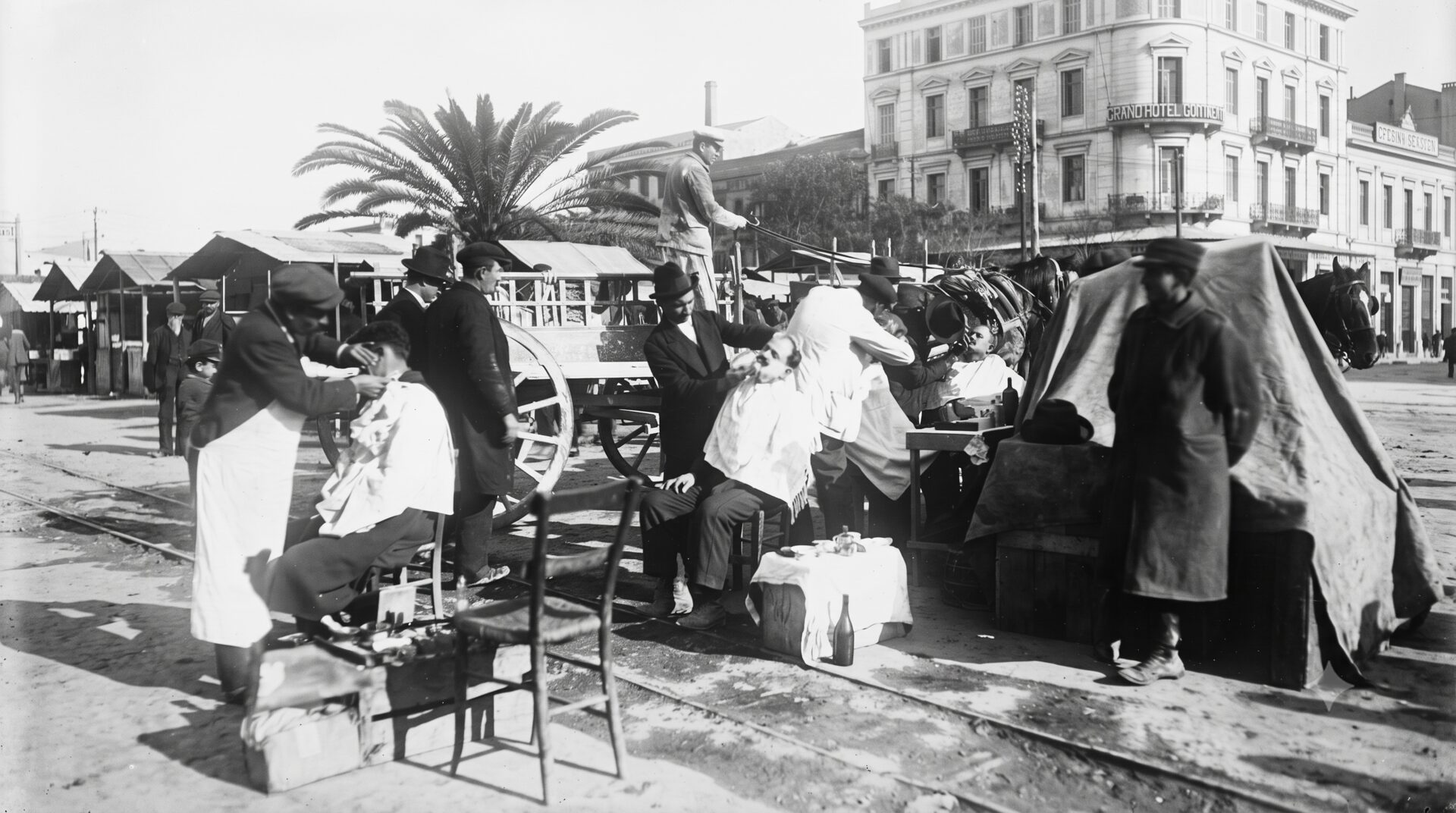
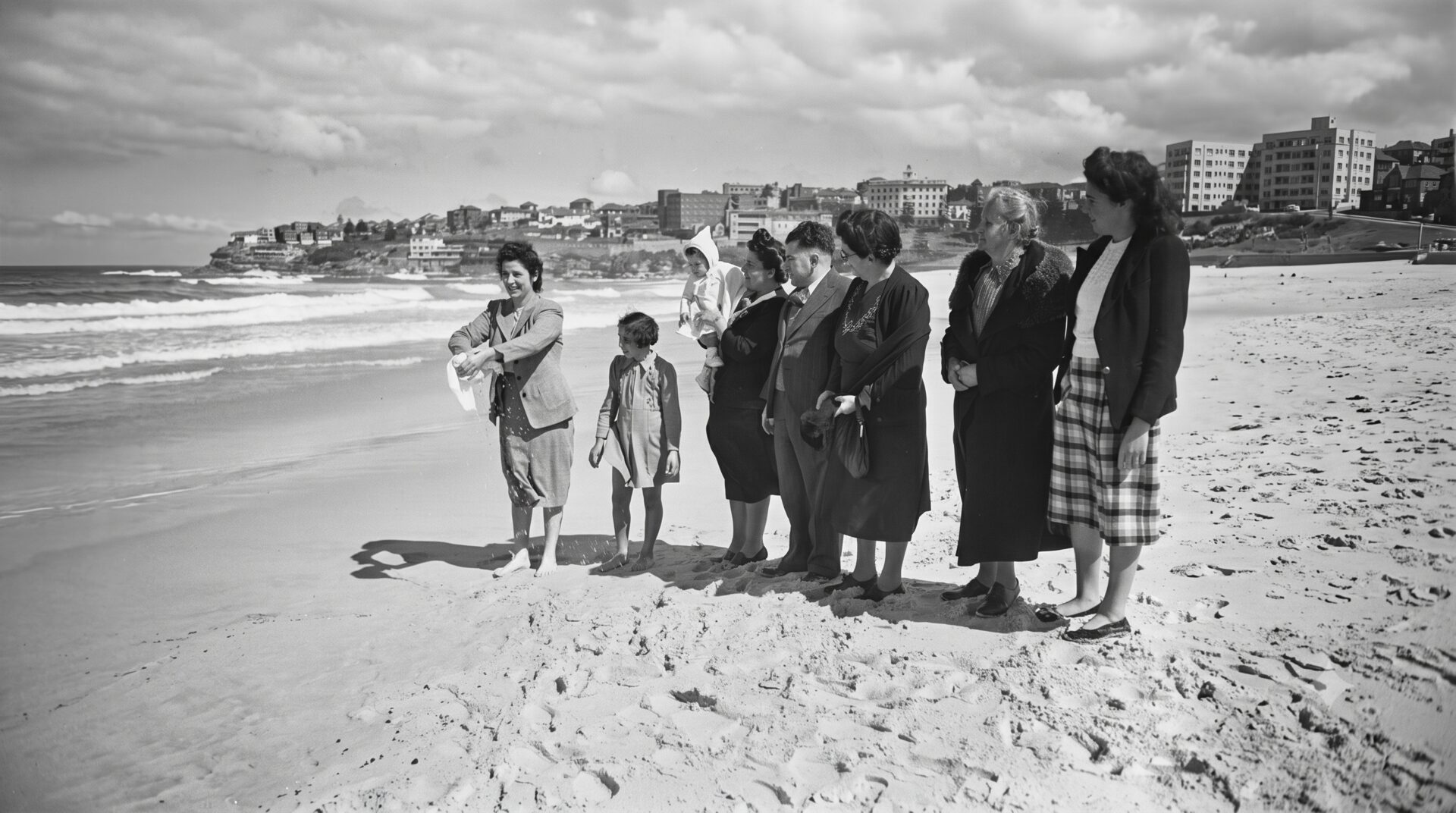
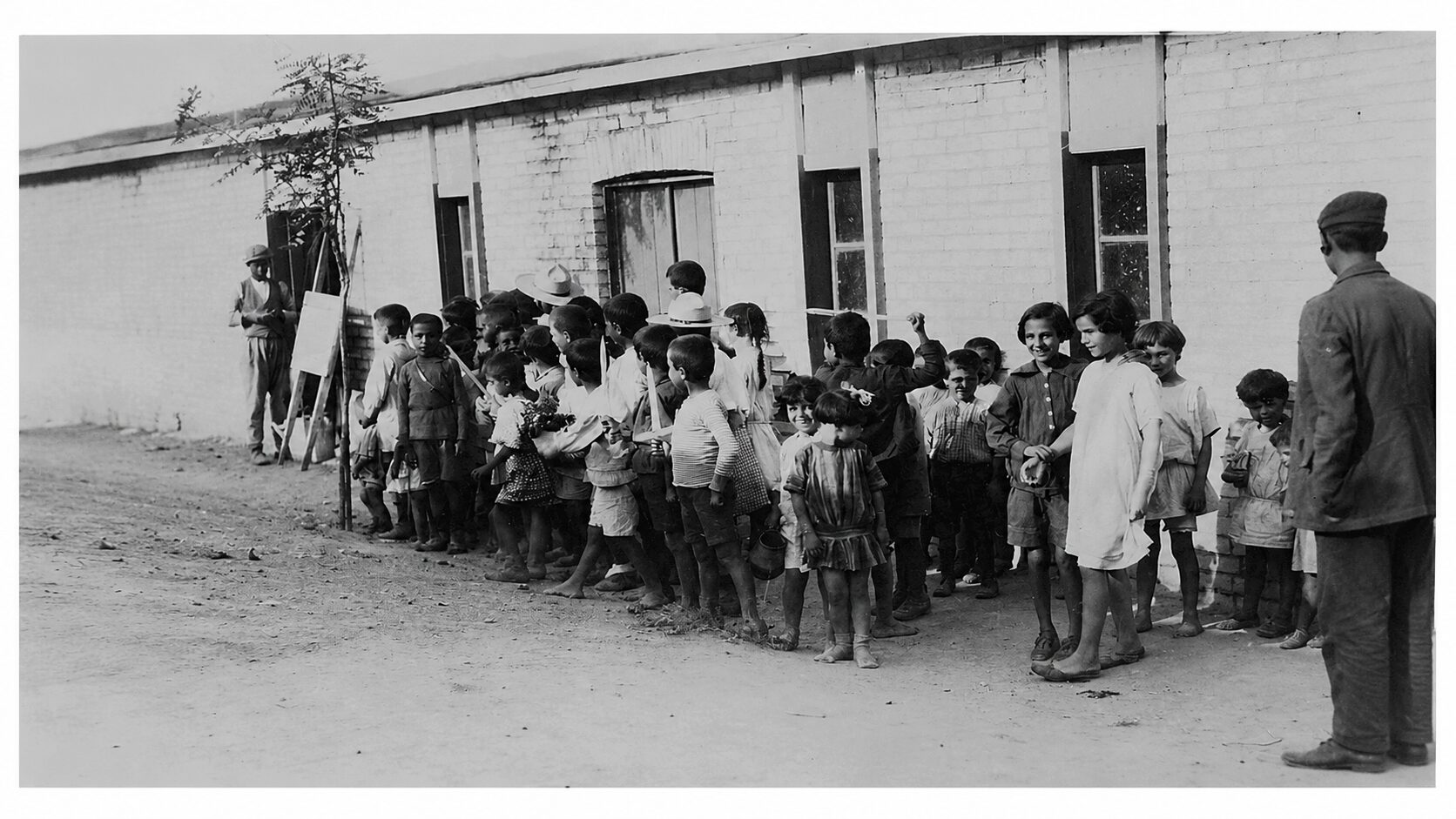
[ Family photograph, Arcadia, c. 1948 ]
[ Name day celebration, Melbourne, c. 1974 ]
[ Village festival, Epirus, c. 1955 ]
[ Departure photograph, Piraeus, c. 1969 ]

Along with the photographs: a few letters in Greek, handwritten in a script the grandchildren cannot read. A name day calendar, its dates now misaligned with living practice. A small icon, the glass cracked in transit. A recipe never written down: not because it was hidden, but because it was assumed it would always be known.

These objects were not curated. They were preserved only because no one could bring themselves to throw them away. The difference between an archive and a drawer is intention. Intention is what the emigration rarely had time for.

What was carried, ultimately, was not objects but knowledge. Knowledge of who was related to whom, of what had happened and why, of the particular texture of a life in a particular place at a particular time. Knowledge, unlike objects, cannot be preserved simply by not throwing it away.

Chapter Five

The Second Death

The last time a name is spoken.

A person dies twice. Once when the body stops, and once when their name is spoken for the last time. The philosopher Ivan Illich described something close to this; so did, in different words, a hundred traditions of memorial practice across the ancient world. It is not a uniquely Greek idea. Yet it has particular weight in a tradition where the departed are prayed for by name at every Sunday liturgy, where memorial services continue for years after death, where the dead are understood to remain present in the community of the living.

Diaspora accelerates this second death. When the keeper of the family's memory dies, be it a grandmother, a particular uncle, the cousin who had always been the one who remembered, the threads that connected the living to their past break. Not all at once, but one by one, over the years that follow, as the people who could have verified a story or identified a face in a photograph die themselves.

It is not a failure of love. It is a failure of architecture. The structure for holding this kind of memory simply did not exist.

The drawer is eventually emptied. The photographs are scanned, imperfectly, and saved to a hard drive that becomes irretrievable within a decade. The stories that existed in the air of Sunday lunches do not survive the last Sunday lunch. The village dialect, the knowledge of why a certain family never spoke to a certain other family, the particular way of describing a place: these things are not recorded anywhere. They are simply gone.

This is the second death. In diaspora families, it comes fast.

"Lukeni was built in response to this."

For the organisations that carry what others have forgotten to preserve.

Chapter Six

A New Kind
of Keeper

Not a grave. Not a photo album. Something living.

στιμνήμη  ·  stinmnimi

A biographical memorial is not a summary of a life. It is the life, told.

Lukeni was built around a single conviction: that the biographical memory of a person, the specific texture of who they were, what they lived through, how they loved and grieved and worked and believed, belongs to every family, regardless of how far they have scattered or how many generations have passed.

stinmnimi is our answer to the second death. Not a death notice. Not a social media page. A structured life story: written with care, illustrated with the photographs from the drawer, preserved in a form that the grandchildren of grandchildren can still read and understand.

A place where the woman in the photograph finally has a name. Where the story of the departure, the suitcase, the photograph of the parents, the cousin's address in Melbourne, is told in full, and held.

Memory, like a language, is preserved only through practice.

We work with community organisations and funeral homes to bring this to the families they serve — in Melbourne, Chicago, Stuttgart, Toronto, and wherever the diaspora has carried its history. For the organisations that have spent decades keeping this community together, stinmnimi is a way to extend that work into the one place it has never reached: the specific, irreplaceable memory of each family's own dead.

Turn memory preservation into community action.

For community organisations and funeral homes.

For community organisations

Every biography your members commission funds your organisation

When a member preserves their family's story through stinmnimi, €100 is automatically routed to your organisation's account. No administration. No invoicing. No cash handling. Philanthropy built into the act itself — not asked for separately. You give your members a way to honour their dead and support their community in the same moment.

Create your page
For funeral homes

Offer families something that outlasts the service

You are present at the moment families first feel the weight of what has not been documented. stinmnimi gives you something to offer them in that moment — a structured biographical memorial, built with care, preserved permanently.

Create your page